
Recap: Carbon Removal Deep-Dive at Capital C
On June 17th, Cawa hosted an invite-only knowledge session at Capital C in Amsterdam. The objective was straightforward: skip the commercial talks and dive deep into the projects behind carbon removal credits.
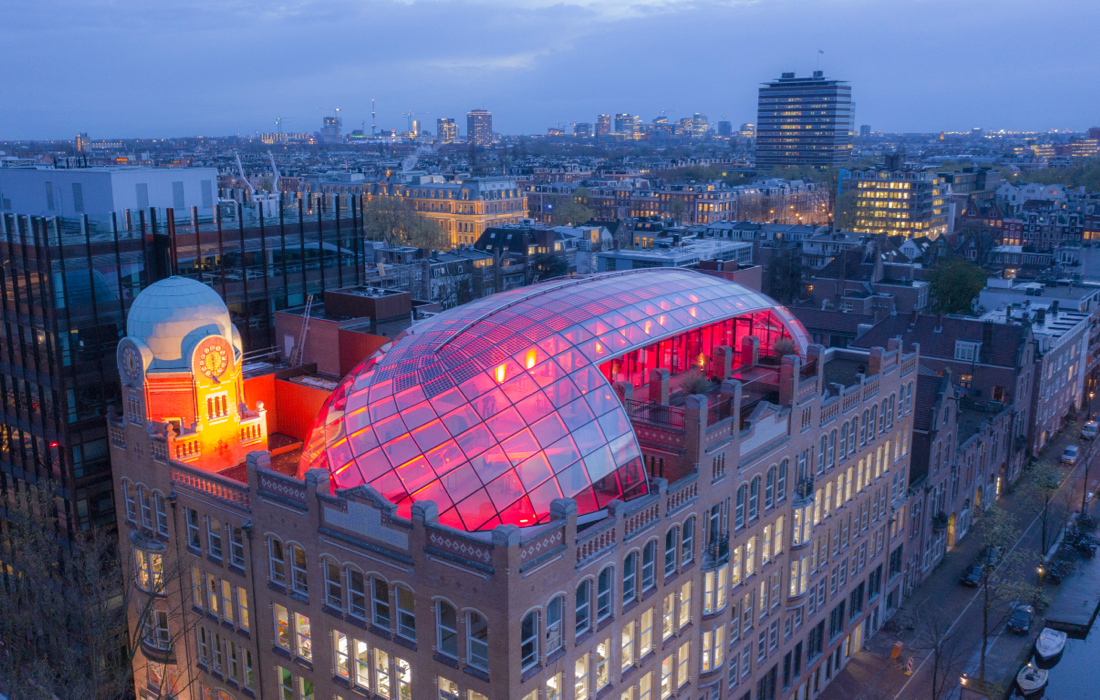
On June 17th, Cawa hosted an invite-only knowledge session at Capital C in Amsterdam. The objective was straightforward: skip the commercial talks and dive deep into the projects behind carbon removal credits.
It was great to bring together a select group of sustainability leaders from some of the largest Dutch companies. The crowd was a strong mix of leading corporates, major players from the energy and trading sectors, and key public sector representatives. The afternoon was defined by sharp questioning, high-level discussions, and a shared commitment to raising the bar for climate strategies.
Technical spotlights: Behind the removal technologies
Too often, carbon credits are treated as abstract certificates. To counter this, we invited two innovative Dutch project developers to explain their technologies, difficulties and goals.
Carboneers: Scaling biochar via decentralized networks
Carboneers shared their hands-on experience developing and scaling biochar projects directly with smallholder farmers in Ghana and India.
- The presentation sparked a deep discussion on the operational trade-offs between distributed and centralized biochar production.
- The team demonstrated how they ensure that corporate climate finance flows directly to the farmers producing the biochar, creating a traceable and socially impactful value chain.
Underground Forest: Re-inventing the wood based construction playbook
Underground Forest introduced their approach to carbon removal through biobased construction, replacing traditional, carbon-heavy concrete foundation piles with sustainably sourced wood.
- By driving wooden piles deep into the waterlogged, oxygen-free clay and peat soils of the Netherlands, the carbon remains locked away permanently without rotting.
- The session tackled the cost differentials of biobased foundations, the complex certification pathways for this new carbon removal method, and the roadmap for scaling both locally and globally.
Bridging the gap between technology and corporate strategy
Following the technical deep dives, the room transitioned into an open Q&A session. The questions here were squarely focused on the project developers themselves, digging into the operational mechanics of their technologies, co-benefits, and scaling opportunities.
Once the official program wrapped up, the conversation shifted to the borrel. Over drinks, the discussion naturally turned toward the broader market and the changing regulatory landscape. With the release of the SBTi Corporate Net-Zero Standard V2.0 just days before our event, sustainability teams used the informal setting to unpack what the updated standard actually means in practice and how to align their future carbon removal strategies.
The conversation focused heavily on:
- The 2035 Removal Mandate: We talked about the new requirement that Category A (large) companies must support eligible carbon removals starting in 2035.
- Mastering the OER Framework: Teams debated the financial mechanics of SBTi’s new Ongoing Emissions Responsibility (OER) framework, which replaces the previous Beyond Value Chain Mitigation (BVCM) concept. Specifically, we explored how companies can achieve the tiers today by taking responsibility for ongoing emissions
The questions during the session showed that many companies are trying to understand what SBTi V2.0 will actually mean for them and how carbon removals fit into that picture.
Luckily, the discussion didn't stop when the presentation ended. Over drinks and bitterballen, we had the chance to dive deeper into the topic, exchange perspectives, and continue conversations that simply don't fit into one session.
What’s Next?
Behind the scenes, the Cawa team is already preparing for our next invite-only carbon removal session later this year. We will keep our network updated as the date approaches.
Are you a sustainability professional looking to join our next closed session, or do you have technical questions about SBTI version 2.0? Get in touch with our team.

.jpeg)
