What is Cawa? The Amsterdam carbon removal platform explained
What Cawa is, how it selects carbon removal projects, how its transparent pricing model works, who it is for and who is behind it.
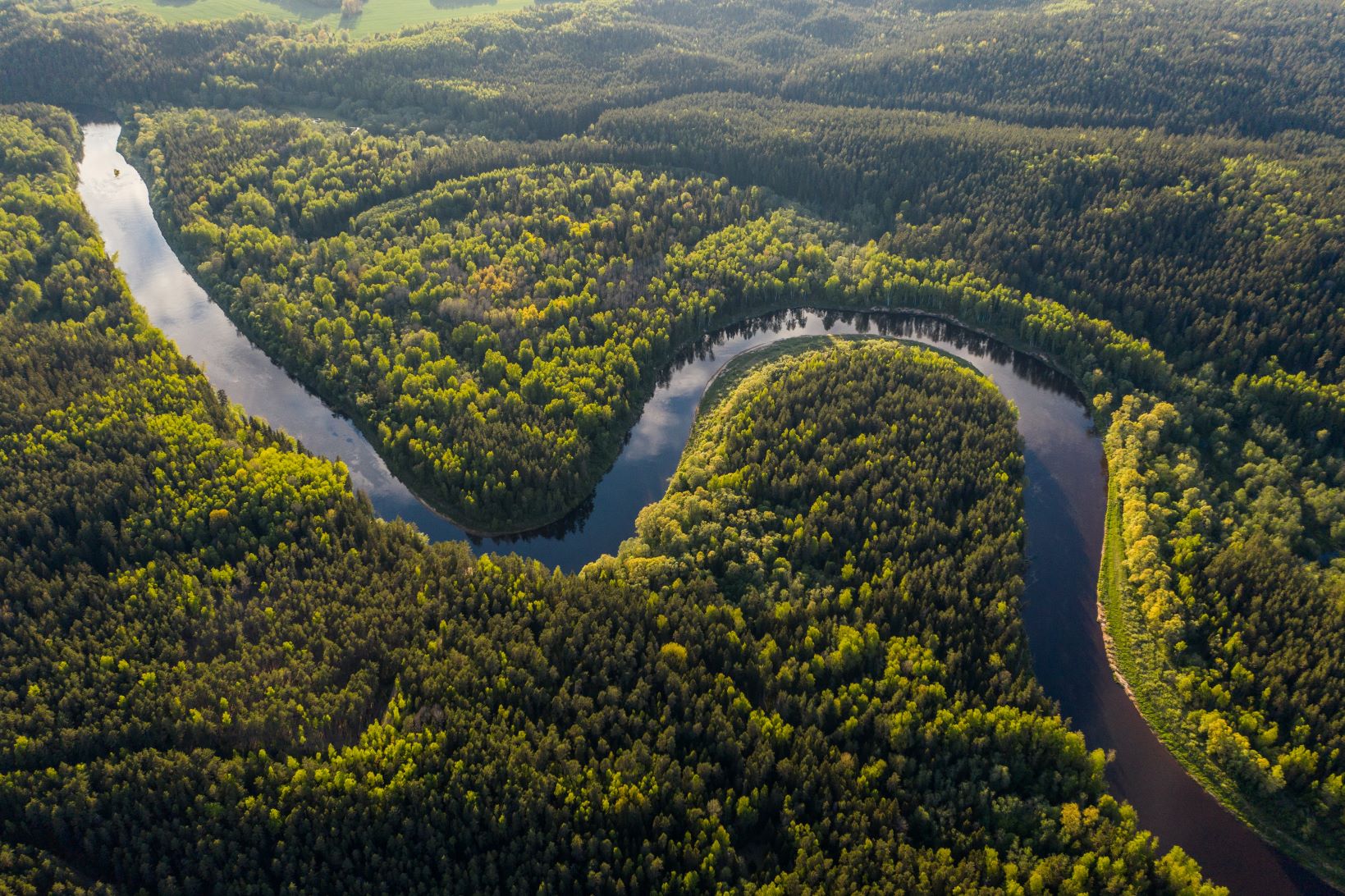
Cawa is an Amsterdam-based carbon credit platform that builds portfolios of high-quality carbon removal projects for companies. It works directly with project developers and shows clients how much of their money goes to the project and how much goes to Cawa (Cawa, 2026).
Cawa was founded in 2022 (Silicon Canals, 2024). Its mission: "We're on a mission to reach net zero within our generation" (Cawa, 2026).
What Cawa does
Cawa lets companies buy carbon credits, see where their money goes, track each tonne removed and download credit data from one dashboard (Cawa, 2026). Companies can buy credits for immediate use or agree a custom future offtake with a set payment and delivery schedule. Each project comes with reporting data and a communication package.
The methods in scope are nature-based removals (forests and soils), biochar, enhanced rock weathering, BECCS and DACCS. Carbon removal is the focus. Cawa also offers high-quality avoidance (emission reduction) credits.
How Cawa selects projects
Cawa selects projects in four steps (Cawa, 2026):
- It only uses credits from rigorous standards such as Verra, Gold Standard and Puro.earth, all endorsed by ICROA.
- It analyzes each project through desk research on the registry documentation, then follows up directly with the developer.
- It runs third-party checks: KYC on the developer, carbon credit ratings, press coverage and consultation with external carbon removal experts.
- It builds pre-set portfolios, for example aligned with the Oxford Offsetting Principles, or tailor-made portfolios for a client.
The underlying quality framework has 11 criteria in four groups: emissions impact, double counting, non-permanence, and environmental and social impacts (Cawa, 2026). Cawa built it over years together with students from TU Delft, Utrecht University and VU Amsterdam. It includes repeated monitoring over time to catch early red flags.
How Cawa's pricing model differs
Cawa is not a carbon credit trader. A trader buys credits, marks them up and resells them, and the margin is rarely disclosed. Carbon Market Watch found that 90% of intermediaries did not disclose their exact fees or profit margins (Carbon Market Watch, 2023).
Cawa says it pays "the real price of the project" and earns "a transparent fee" (Cawa, 2025). Clients "can see exactly how much money goes to the project and how much goes to Cawa" (Cawa, 2026). They can also follow their payment until the funds reach the developer.
Who Cawa is for
Cawa serves two groups.
- Sustainability teams at companies that buy credits for a year, or per employee, office or product, and pull the credit data into their CSRD reporting.
- Carbon accounting and ESG platforms that want to offer carbon credits inside their own software, under their own branding, through Cawa's API.
Team
Cawa's team (Cawa, 2026):
- Kees van Santen, CEO and co-founder. He has more than 10 years in climate tech, led business development at a Gold Standard certified off-grid solar project and was a climate tech investor at StartGreen Capital.
- Vinko Vrsalovic, CTO and co-founder. He has more than 20 years in software and was a senior engineer at Stack Overflow.
- Joris Herbermann, Carbon Removal Specialist.
- Joaquín Triñanes, Full Stack Engineer.
In June 2024 Cawa raised a round led by Shamrock Ventures, with Golden Egg Check Capital and angel investors. Silicon Canals reported the amount as €500K (Silicon Canals, 2024); Techleap reported $500K, about €465K (Techleap, 2024).
Tools and events
The free SBTi Removal Budget Planner shows which SBTi V2.0 recognition level (Engaged, Advanced or Leadership) a credit budget reaches, which credits it buys, and the outlook to 2035 and beyond. It needs no account.
Platforms can use the Cawa API to offset emissions per transaction or per product sold (Cawa, 2025).
Cawa also hosts small, non-commercial Carbon Removal Deep-Dive events for in-house sustainability teams in Amsterdam. The second edition took place on 5 November 2026 at the Hortus Botanicus.
For background, Kees van Santen discussed removal versus avoidance credits and transparency in the voluntary carbon market on the Impact Innovators at the Fireside podcast (Impact Innovators, 2024).
FAQ
What is Cawa?
Cawa is an Amsterdam-based carbon credit platform. It builds portfolios of high-quality carbon removal projects for companies, works directly with project developers and shows clients the price and margin of every credit.
Is Cawa a carbon credit trader?
No. Cawa describes itself as "not a trader" (Cawa, 2025). It does not resell credits at a hidden markup. Clients see what goes to the project and what goes to Cawa.
How does Cawa make money?
Cawa pays developers the project price and earns a transparent fee (Cawa, 2025). Clients see that fee, because Cawa shows how much goes to the project and how much goes to Cawa (Cawa, 2026).
Where is Cawa based?
Cawa is based in Amsterdam, the Netherlands (Techleap, 2024).
How do I start with Cawa?
Use the free SBTi Removal Budget Planner to size your budget, then speak to an expert about a portfolio. Platforms can start with the API docs.
Sources
- Cawa (2026). About us. https://www.cawa.tech/about-us
- Cawa (2026). Homepage. https://www.cawa.tech/
- Cawa (2026). Project selection. https://www.cawa.tech/project-selection
- Cawa (2026). Carbon credit traders vs carbon credit platforms. https://www.cawa.tech/blog/carbon-credit-traders-vs-carbon-credit-platforms
- Cawa (2025). Traditional carbon credit traders vs Cawa. https://www.cawa.tech/blog/carbon-credit-traders-vs-cawa
- Silicon Canals (2024). Amsterdam's Cawa bags €500K to boost transparent carbon credit sales. https://siliconcanals.com/cawa-bags-500k/
- Techleap (2024). Cawa secures €465K for carbon credits. https://finder.techleap.nl/news/feed/cawa-secures-465k-for-carbon-credits
- Impact Innovators at the Fireside (2024). The Carbon Credit Dilemma with Kees van Santen. https://share.transistor.fm/s/27bd2d54
- Carbon Market Watch (2023). Briefing on intermediaries. https://carbonmarketwatch.org/wp-content/uploads/2023/02/CMW-briefing-on-intermediaries.pdf
Written by Joris Herbermann, Carbon Removal Specialist at Cawa. Last updated 17 November 2026.